
Disassembly & Reassembly
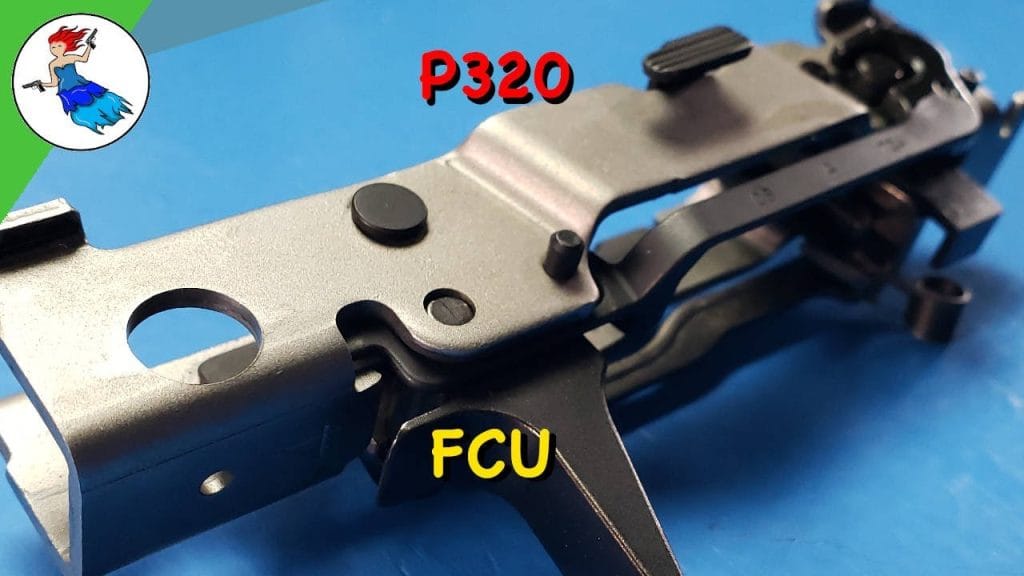
SIG P320 FCU DISASSEMBLY AND REASSEMBLY: Learn how to maintain your Sig P320 FCU
The Sig P320 Fire Control Unit (FCU) is the serialized heart of the pistol. Understanding how to disassemble and reassemble it is…
Start Here Hub
Build a simple, useful gunsmithing bench around the tools that actually matter: safety gear, cleaning supplies, proper bits, punches, bench support, lighting, organization, and torque control.
Start Here
A good beginner bench is not about owning every tool. It is about working safely, protecting the firearm, keeping small parts under control, and using the right tool before damage gets a vote.
Beginner Tool Bench
A beginner tool bench does not need to be expensive, massive, or packed with every specialty tool the internet swears you need. It needs to help you work safely, protect the firearm, keep small parts under control, and make basic cleaning, inspection, disassembly, reassembly, and troubleshooting easier.
Bench Rule
The goal is control. A good beginner bench helps you avoid slips, scratches, rounded screws, lost springs, crushed parts, and the kind of “well, that escalated” moments that usually start with the wrong screwdriver.
A beginner gunsmithing tool bench is a simple, organized workspace with the core tools needed for basic firearm maintenance and low-risk bench work.
That includes cleaning, lubrication, inspection, field stripping, basic disassembly and reassembly, magazine checks, screw checks, optic and accessory maintenance, and simple troubleshooting.
It does not mean you need a professional machine shop. It does not mean you need every tool from every catalog. And it definitely does not mean you should buy a pile of specialty tools before you know what jobs you actually do.
Start with the tools that give you three things: safety, control, and repeatability.
Safety keeps live ammunition away from the bench and keeps your hands, eyes, and workspace protected. Control helps you move pins, screws, springs, and parts without damaging them. Repeatability means you can do the same job the same way next time without guessing.
Safety glasses, a clean workspace, no live ammo on the bench, and a process for keeping the firearm clear before any tool touches it.
Proper bits, punches, support blocks, trays, lighting, and stable work surfaces that help you move parts without forcing or damaging them.
Torque tools, organized parts storage, checklists, notes, and consistent setup habits so you are not reinventing the job every time.
Before buying tools, look at where you are actually working.
A good beginner bench does not need to be fancy. It does need to be stable, clean, well-lit, and organized enough that small parts do not disappear into the carpet dimension.
The ideal workspace has:
If your workspace is unstable, cluttered, or poorly lit, even good tools become harder to use. You start fighting the bench instead of working on the firearm.
That is how springs launch, screws strip, pins wander, and parts end up hiding under the one cabinet you cannot move without questioning your life choices.
The first tool on the bench is not made of steel. It is the habit of making the firearm safe before anything else happens.
Before cleaning, inspection, disassembly, reassembly, or troubleshooting:
No tool fixes a bad safety habit. You can have the nicest bench in the county and still make a dumb mistake if live ammo and assumptions are hanging around the workspace.
Build the habit first. Then build the bench.
The first layer of your beginner bench should protect the firearm and keep parts under control.
This is the boring stuff. Naturally, it is also the stuff that saves you from scratching slides, losing detents, mixing screws, or having springs disappear like they entered witness protection.
A good mat protects the firearm finish, keeps parts from rolling, and gives you a dedicated work surface. A mat with enough space for the firearm, tools, and parts layout is better than working directly on a table.
A parts tray keeps pins, springs, screws, and small components from wandering off. Magnetic trays are useful for steel parts, but not every part is magnetic, so do not trust magnetism as your only system.
Small cups, bins, or divided organizers are useful when you are working on assemblies with multiple screws or similar-looking parts. Labeling containers is not overkill. It is cheaper than guessing.
A bright task light helps you see wear, fouling, cracks, alignment, screw heads, pins, and tiny parts. Poor lighting makes simple jobs feel harder than they should.
One of the fastest ways to make a firearm look abused is to use the wrong screwdriver.
Firearm screws often need bits that fit the slot properly. A common hardware-store screwdriver may be tapered in a way that only contacts part of the screw slot. That can chew up the screw head, slip out, scratch the firearm, or make you say words that would make the dog leave the room.
For firearm work, hollow-ground bits are usually the better choice because they fit the screw slot more evenly.
A beginner should have:
The key is fit. The bit should fill the screw slot or screw head correctly. If it wobbles, rocks, or only touches the edges, stop and find the correct bit.
The wrong bit turns a simple screw into a tiny metal crime scene.
Punches are a core bench tool, but they are also easy to misuse.
A punch is used to move pins, align parts, or support controlled disassembly. The problem is that pins vary. Some are solid. Some are roll pins. Some are directional. Some are retained. Some are under spring tension. Some should not be driven out unless you know exactly what you are doing.
A beginner punch setup should include:
Do not use nails, drill bits, random hardware, or whatever object was closest when impatience showed up.
That is not improvising. That is damage wearing a fake mustache.
Starter punches help begin movement on stubborn pins with less flex than a long punch. Once the pin starts moving, switch to the right punch for the job.
Pin punches help drive solid pins after they have started moving. Use the correct diameter and support the part properly.
Roll pin punches have a small tip designed to help center on hollow roll pins. They reduce the chance of slipping or crushing the pin when used correctly.
Nylon, brass, or polymer punches can help with tasks where you need pressure without scratching or damaging the surface.
Yes, you need a hammer. No, not that hammer.
A giant framing hammer has no business doing delicate bench work. Most firearm bench jobs need controlled taps, not construction-site enthusiasm.
A beginner bench should include:
The hammer should match the job. Small parts need control. Pins need support. Surfaces need protection. If you are swinging like you are driving railroad spikes, something has already gone wrong.
When a part does not move, do not immediately hit it harder. Stop and ask why. It may be retained, directional, under spring tension, blocked by another part, or not supposed to move that way.
A bench block supports the part while you drive pins or work on small assemblies.
Without support, force goes into bending, flexing, marring, or breaking something. With support, the energy goes where it should.
A good bench block helps you:
This is one of those tools that looks boring until you work without it. Then it becomes very obvious why it exists.
Cleaning tools belong on every beginner bench because cleaning and inspection are where most people should start.
Before replacing parts, changing springs, or blaming the firearm, clean it and inspect it. A lot of problems come from fouling, old lubricant, dry contact points, dirty magazines, or debris hiding where it should not be.
A basic cleaning setup should include:
The goal is not to drown the gun in chemicals. The goal is to remove fouling, inspect wear points, apply lubricant where appropriate, and establish a clean baseline before troubleshooting.
Cleaning Reminder
More solvent and more oil are not automatically better. Use the right product, the right amount, and the right location. If the firearm manufacturer gives lubrication points, start there.
A torque driver is one of the most useful tools a beginner can add once they start working with optics, mounts, scope rings, chassis systems, action screws, or accessories.
Guessing torque by feel is not a plan. It is just confidence with a handle.
Too loose and the part can shift, rattle, lose zero, or come off. Too tight and you can strip screws, damage threads, crush parts, crack components, or distort mounts.
A torque driver helps with:
Use the manufacturer’s torque specs when available. If a manufacturer provides a specific value, use that value instead of guessing or borrowing a number from a random forum post written by a guy named something like 308Goblin.
A vise or firearm support system can make bench work easier, but it must be used carefully.
The goal is to hold the firearm or part securely without crushing, twisting, bending, or marring it.
For beginner work, a gun vise, padded vise jaws, or a purpose-built support can help with:
Do not clamp fragile parts directly in a metal vise. Do not crank down like the firearm owes you money. Use padding, support the part correctly, and stop if anything begins to flex or bind.
A vise should give you control. It should not become a hydraulic press with a bad attitude.
Inspection tools help you see what is actually happening before you start guessing.
You do not need a lab. You do need enough visibility to spot obvious wear, cracks, loose parts, fouling, alignment issues, or damage.
Useful beginner inspection tools include:
The notebook matters more than people think. Track what you cleaned, what you replaced, what malfunction happened, what ammo and magazines were used, and what changed.
Data beats memory. Memory is a liar that forgets round count and blames the magazine last.
Safety gear belongs on the bench because small parts, springs, chemicals, and sharp edges do not care how experienced you are.
Start with:
Eye protection is especially important when working around springs, detents, pins, and pressurized little parts that seem personally committed to escape.
If a spring launches, your pride can take the hit. Your eye should not.
Beginners often buy tools in the wrong order.
It is easy to see a specialty tool online and think, “I need that.” Maybe you do. Maybe you do not. If the tool only solves a job you have never done, on a firearm you do not own, for a problem you do not have, it can wait.
Do not start with:
The beginner bench should help you maintain, inspect, clean, and troubleshoot. Save the specialty tools for when a real job requires them.
Hard No
Power tools can remove material fast. That is exactly why they can create problems fast. If you do not fully understand what surface you are touching and why, step away from the spinning regret machine.
If you are starting from scratch, build the bench in layers.
This keeps you from spending money on tools you do not need yet and helps you learn what each tool actually does.
You do not need the most expensive version of every tool, but some tools are worth buying carefully.
Cheap tools can work for some jobs. Cheap tools can also cause expensive damage when they are soft, poorly fitted, badly shaped, or uncomfortable to control.
Places where quality matters:
A cheap bit that strips a screw on an expensive optic mount was not cheap. It was a payment plan for frustration.
Because eventually, you will.
Good organization makes reassembly easier and troubleshooting cleaner.
Use a repeatable system:
The goal is to make the correct thing easy and the dumb thing harder.
That is basically the whole secret to a good bench.
Owning a tool does not mean you are ready for the job.
This is where beginners can get into trouble. A tool arrives, confidence shows up uninvited, and suddenly someone is “just cleaning up” a surface that should not be touched.
Be careful with jobs involving:
If you do not understand what the part does, how it interacts with the rest of the firearm, and what can go wrong, stop and get qualified help.
That is not weakness. That is judgment.
There is a difference between tools for routine maintenance and tools for deeper gunsmithing work.
Maintenance tools help you clean, inspect, lubricate, tighten, support, and verify basic function.
Gunsmithing tools may be used for fitting, measuring, machining, staking, cutting, drifting, pressing, or correcting specific mechanical issues.
Beginners should live mostly in the maintenance tool world first.
That is where you learn how parts look when they are clean, how they move when they are assembled correctly, what normal wear looks like, what screws loosen, what magazines cause problems, and what symptoms show up before something fails.
That foundation matters more than buying advanced tools too early.
Your bench should match your real firearms, not someone else’s tool wall.
If you mainly maintain pistols, your early bench may focus on cleaning gear, punches, small parts control, magazine inspection, sight tools where appropriate, and striker or slide maintenance references.
If you work with AR-style rifles, you may eventually need armorer tools, torque tools, vise blocks, castle nut tools, and gas system inspection tools.
If you work with bolt guns, you may care more about torque, optics mounting, bore care, action screws, scope setup, and precision cleaning.
If you work with shotguns, you may need cleaning tools for longer barrels, magazine tube inspection tools, choke tube tools, and support for larger receivers and barrels.
Buy for your actual use. Not for the fantasy version of your bench where you apparently operate a full-service armory next to the lawn mower.
A bench log helps you track what happened, what changed, and what to check next time.
Track:
This is especially useful when troubleshooting. If one magazine keeps causing problems, the log helps you catch it. If an optic screw keeps loosening, the log helps you prove it. If a firearm starts acting up after a specific part change, the log gives you a trail.
Without notes, every problem becomes a fresh mystery. Fun for detective novels. Less fun on the bench.
Most beginner bench mistakes come from trying to skip the boring foundation.
Specialty tools are useful when you have the job that requires them. Until then, they are expensive drawer decorations.
Poorly fitted bits can strip or scar screws fast. Proper fit matters more than brute force.
Unsupported parts bend, flex, and get damaged. Support the work before applying force.
Springs and detents are tiny escape artists. Use trays, mats, bags, and controlled work habits.
Springs, pins, solvents, and debris do not care that the job was supposed to be simple.
If something does not move, stop and figure out why before turning the hammer into a personality trait.
Optics, mounts, rings, and action screws often need specific torque values. Guessing creates problems.
Tools help. They do not replace understanding the firearm, the job, or the safety check afterward.
Beginner Bench Mindset
The best beginner setup is not the biggest. It is the one that helps you work safely, find parts, use the correct tool, avoid damage, and verify the firearm before it goes back into use.
Build your beginner tool bench around real work.
Start with safety gear, cleaning tools, proper bits, punches, support, lighting, organization, and torque control. Add specialty tools only when a specific job requires them.
The goal is not to own every tool. The goal is to do the right work, the right way, without damaging the firearm or guessing your way through the job.
A good bench gives you control. A great bench also gives you discipline.
That is where DIY gunsmithing starts to become a skill instead of a shopping problem.
Disassembly & Reassembly
The Sig P320 Fire Control Unit (FCU) is the serialized heart of the pistol. Understanding how to disassemble and reassemble it is…
Rifle Troubleshooting
Firearm & Accessory Reviews
Every rifle shooter has lived the same frustration. You line up your shot, breathe, squeeze the trigger, and then recoil throws you…
Bags
A no-nonsense guide to choosing a range bag that actually works. Learn what separates a dedicated pistol range bag from a glorified gym duffel.
Bags
In this video, we take an in-depth look at the Falco M102 bag, a premium range bag that goes beyond just carrying…
Firearm & Accessory Reviews
After 30 years of trying different carry guns, the Lone Wolf Dusk 19 finally stuck. Here's my honest, long-term review.